Trong môi trường biển khắc nghiệt, một động cơ công nghiệp đơn thuần không thể vận hành bền bỉ nếu thiếu quá trình Marinisation (Hàng hải hóa). Đây là tập hợp các giải pháp kỹ thuật nhằm bảo vệ "trái tim" con tàu khỏi sự ăn mòn của muối biển và tối ưu hóa hiệu suất truyền động trong không gian hạn chế.
1. Các cơ chế truyền động và ứng dụng đặc thù
- Truyền động trực tiếp (Direct Drive): Công suất truyền thẳng từ hộp số qua trục chân vịt chạy dọc thân tàu. Cơ chế này đơn giản, ít thất thoát năng lượng nhưng đòi hỏi sự căn chỉnh (alignment) cực kỳ chính xác để tránh rung lắc. Thường dùng cho tàu đánh cá hoặc tàu kéo.
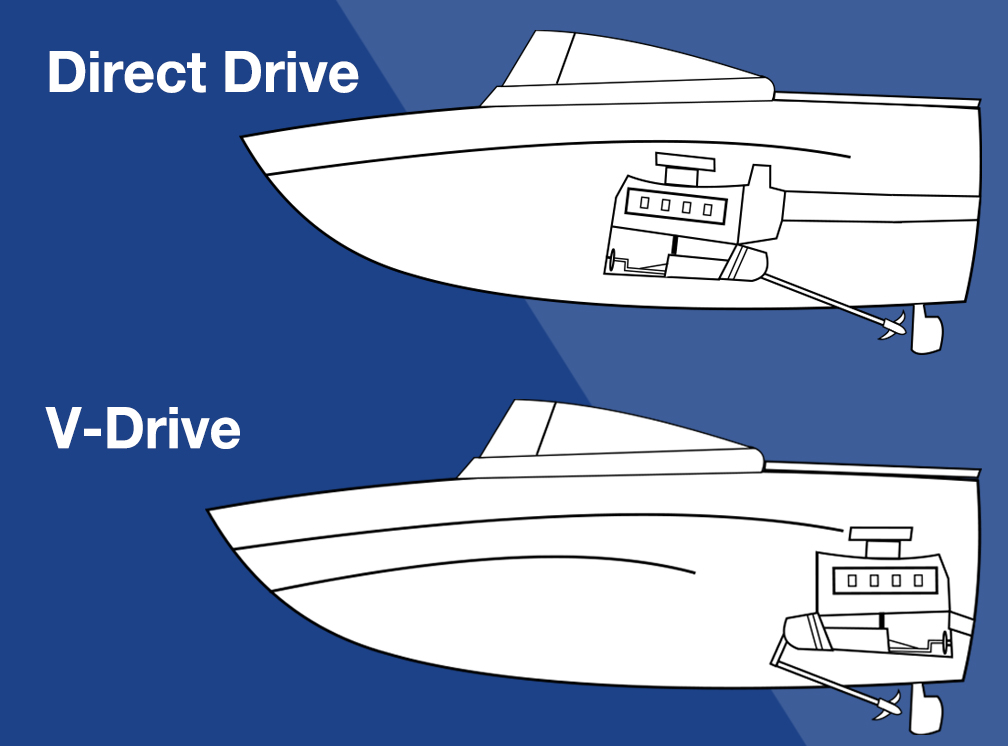
- Truyền động chữ V (V-Drive): Động cơ đặt quay ngược, năng lượng đi qua hộp số bẻ hướng 180 độ tạo thành hình chữ V. Giải pháp này giúp đẩy động cơ về sát đuôi, giải phóng không gian cabin trung tâm cho các dòng du thuyền (Yachts).
- Truyền động Pod (Pod Drive): Thay thế trục và bánh lái bằng cụm Pod xoay 360 độ dưới đáy tàu. Cơ chế này cho phép luồng đẩy hướng trực tiếp về phía cần điều động, cực kỳ linh hoạt cho tàu khách cao tốc và du thuyền hiện đại.
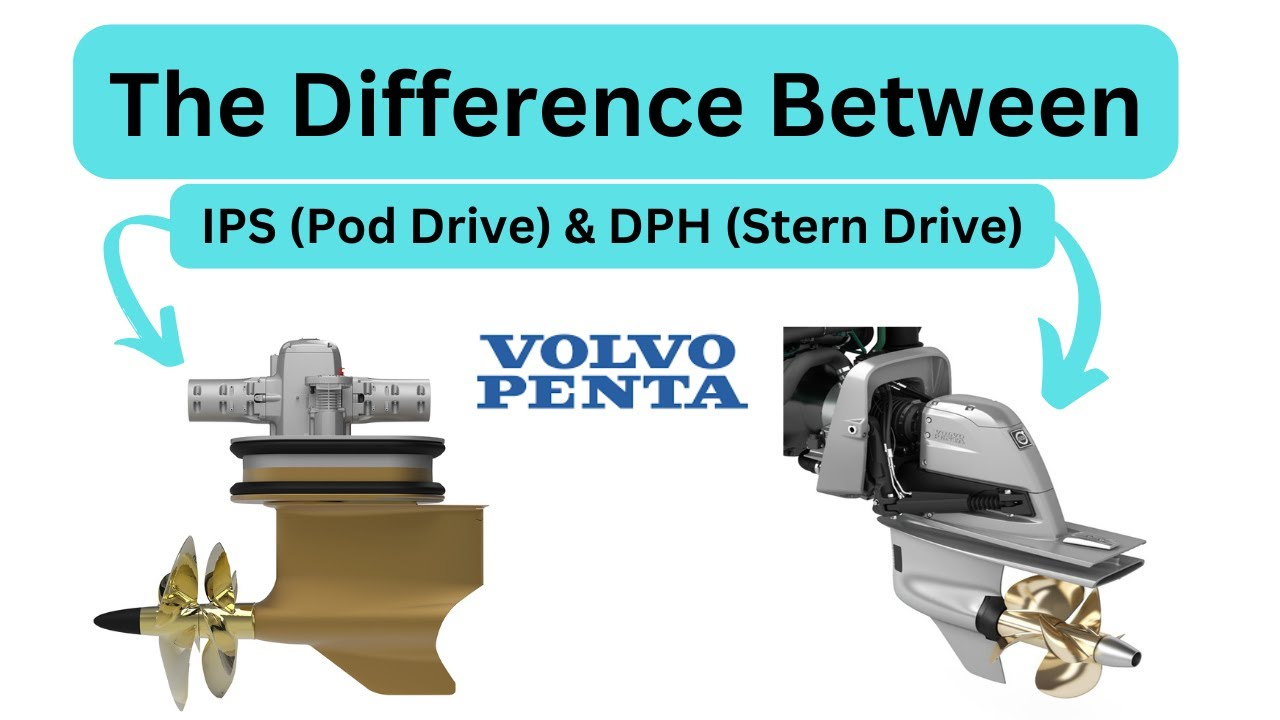
- Truyền động chân vịt ngoài (Stern Drive/Z-Drive): Năng lượng đi xuyên qua vách đuôi tàu theo hình chữ Z. Cơ chế này cho phép nâng hạ cụm chân vịt (Trim), phù hợp cho cano và thuyền máy tầm trung vận hành ở vùng nước nông.
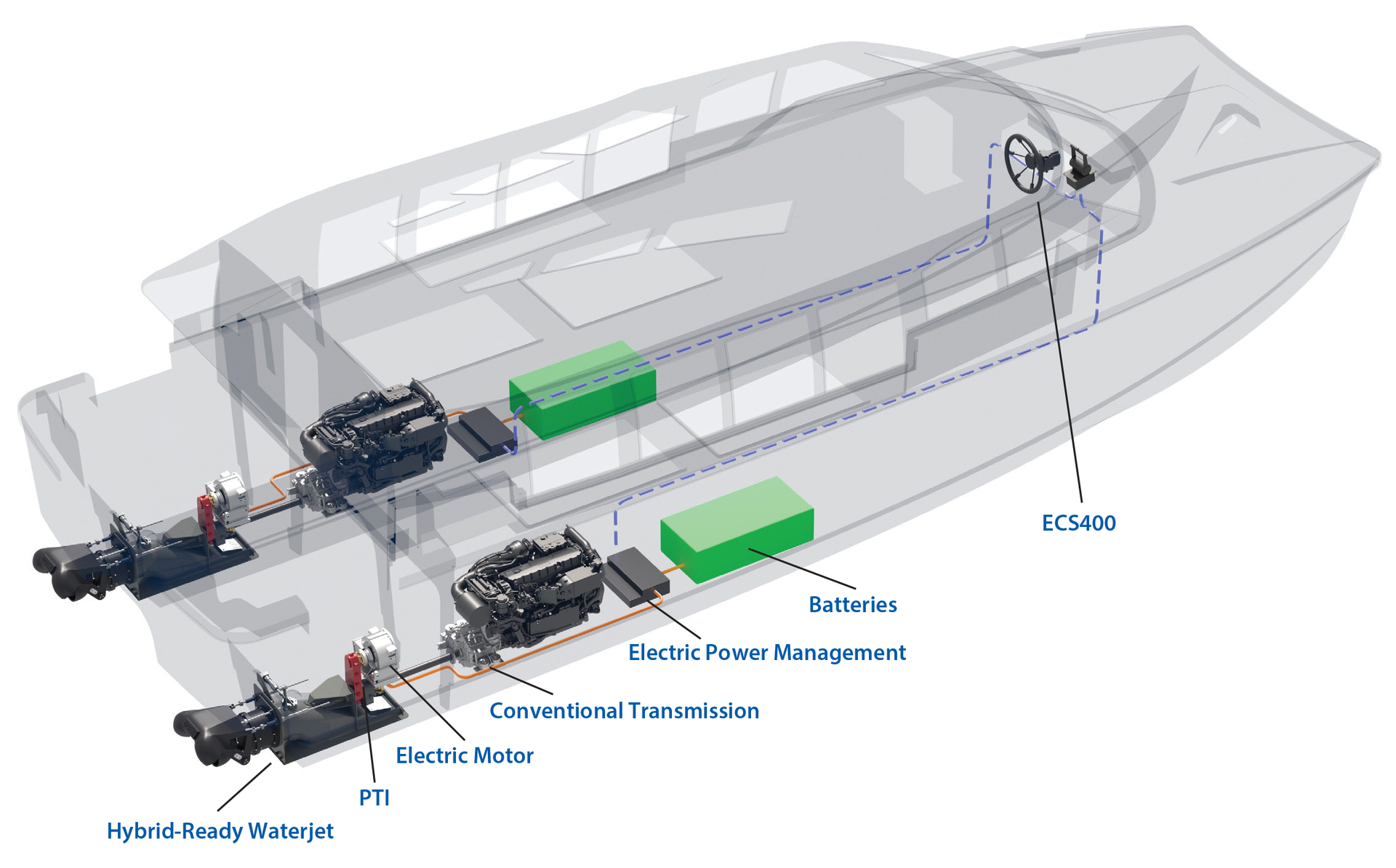
- Truyền động lai điện (Hybrid Drive): Kết hợp mô-tơ điện và động cơ diesel trên cùng trục truyền động, tối ưu cho các tàu du lịch sinh thái cần sự yên tĩnh và tiết kiệm nhiên liệu.
- Truyền động trục trong (Inboard Shaft Drive/Saildrive): Chân vịt hoạt động vuông góc với dòng nước qua một cụm truyền động gọn gàng dưới đáy, giảm thiểu "hiệu ứng mái chèo" và tối ưu lực đẩy cho tàu buồm đường dài.
2. Yếu tố cốt lõi: Marinisation - "Lớp giáp" cho hệ thống truyền động
Hệ thống truyền động chỉ hoạt động hiệu quả khi bộ phận cơ sở (base block) được trang bị các thành phần hàng hải hóa chuyên dụng:
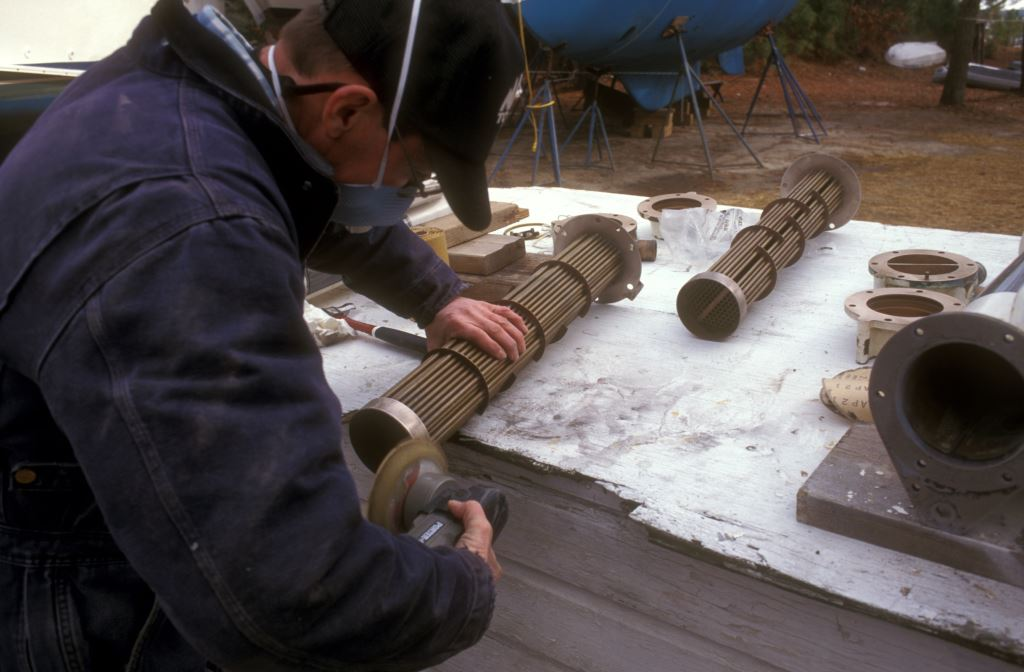
- Hệ thống trao đổi nhiệt (Heat Exchangers): Vì nước biển có tính ăn mòn cao, động cơ không làm mát trực tiếp bằng nước biển. Thay vào đó, một bộ trao đổi nhiệt bằng vật liệu chống ăn mòn (như đồng niken hoặc titanium) sẽ luân chuyển nước ngọt bên trong và giải nhiệt bằng nước biển bên ngoài. Đây là linh kiện quan trọng nhất quyết định tuổi thọ động cơ.
- Bơm nước mặn (Raw Water Pumps): Khác với bơm nước ô tô thông thường, bơm hàng hải thường có cánh quạt (impeller) bằng cao su tổng hợp để chịu được cát và tạp chất trong nước biển, đảm bảo lưu lượng làm mát liên tục.
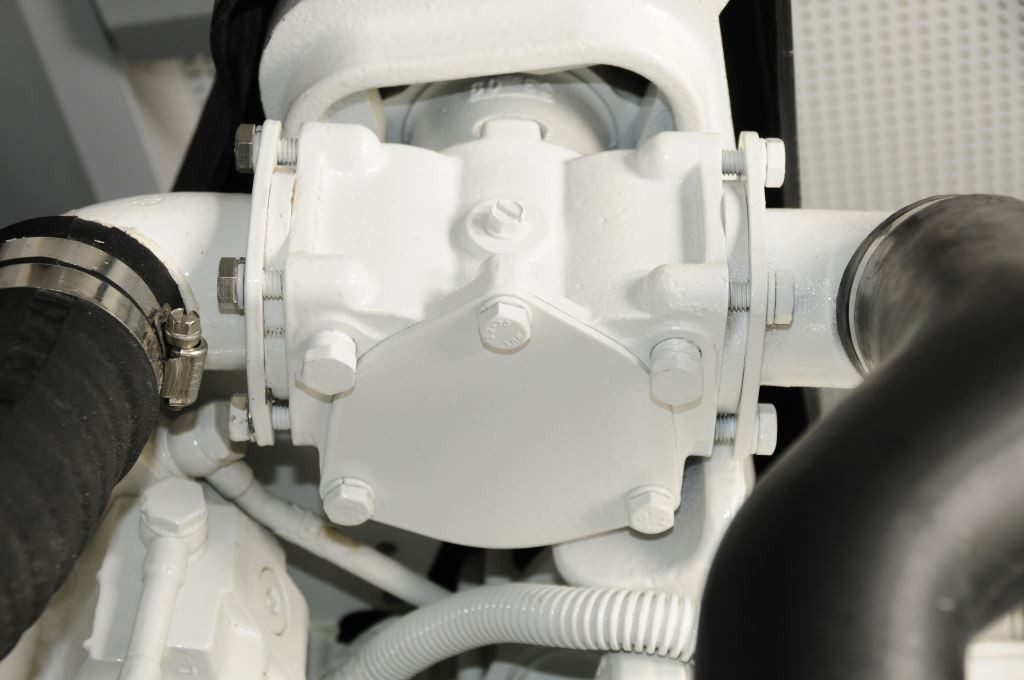
- Hệ thống xả "ướt" (Water-cooled Exhaust): Khí thải nóng được trộn lẫn với nước biển đã qua giải nhiệt ngay tại cổ xả (injection elbow). Việc này không chỉ làm giảm nhiệt độ khoang máy mà còn giảm đáng kể tiếng ồn động cơ.

- Bảo vệ chống ăn mòn điện hóa (Sacrificial Anodes): Tại các vị trí tiếp xúc trực tiếp với nước mặn như cụm đuôi Z-drive hay saildrive, các thanh kẽm chống ăn mòn (anodes) được lắp đặt để tự "hy sinh", bảo vệ các chi tiết kim loại quan trọng khỏi hiện tượng ăn mòn điện hóa.
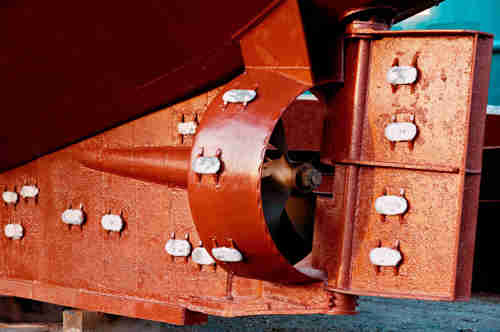
- Hệ thống điện cách ly: Các rắc cắm và dây dẫn được bọc kín chống ẩm (waterproof) và chống tia lửa điện theo tiêu chuẩn SOLAS hoặc EPA, đảm bảo an toàn tuyệt đối trong môi trường độ ẩm cao.
💡 Lời kết từ Handyman: Tại Handyman by DLV, chúng tôi hiểu rằng "Một động cơ hàng hải hiếm khi hỏng do hoạt động quá tải, nhưng thường xuyên hỏng do bị ăn mòn". Việc thấu hiểu các tiêu chuẩn Marinisation là chìa khóa để lựa chọn thiết bị và vật tư cung ứng chuẩn xác cho con tàu của bạn.
______________________________________________
In the demanding marine environment, a diesel engine is no longer just a source of propulsion; it is the "heart" of the vessel, providing power for everything from hot water systems to advanced radar and anchor winches. However, to ensure this power is translated into efficient thrust while surviving saltwater's corrosive nature, understanding the drive train and Marinisation standards is critical.
1. Diverse Propulsion Systems & Their Mechanisms
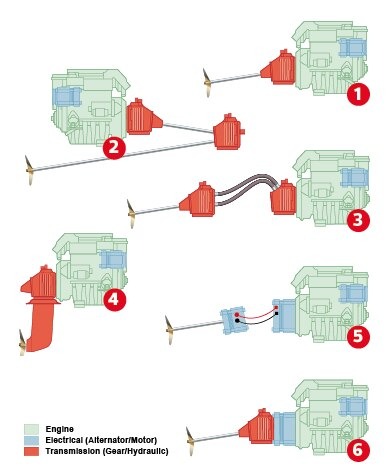
Choosing the right drive train depends on the yacht’s design and its intended role:
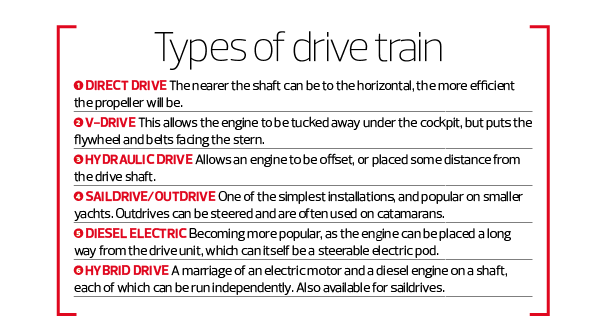
- Direct Drive: The engine is connected to the gearbox, with the output shaft running directly through the hull to the propeller. It is valued for its simplicity and is common in traditional fishing or industrial vessels.
- V-Drive: The engine is mounted facing backward, with the drive going through a gearbox that turns the power 180 degrees into a V-shape toward the propeller shaft. This allows the engine to be placed further aft, freeing up cabin space.
- Pod Drive: Instead of a traditional shaft and rudder, the engine connects to a steerable pod unit beneath the hull. This mechanism allows the propeller to swivel 360 degrees, offering unparalleled maneuverability.
- Stern Drive / Z-Drive: The engine is mounted inboard, but the drive train passes through the transom to an external unit. The power follows a Z-shaped path through internal gears, allowing the drive to be trimmed or tilted.
- Hybrid Drive: A system that integrates a diesel engine with an electric motor on the same drive train. It allows for silent, emission-free operation at low speeds, ideal for eco-tourism and research vessels.
- Saildrive: Frequently used in sailing yachts, this unit drops vertically through the hull. Because the propeller works at a right angle to the water, it optimizes thrust and reduces the "paddle wheel" effect compared to inclined shafts.
2. The Core Factor: Marinisation Standards
Most marine engines below 300hp start as proven industrial or automotive blocks (such as Kubota or Volvo) that are then "dressed" or marinised to survive afloat.
- Heat Exchangers: Since raw seawater is highly corrosive, it is rarely used to cool the engine block directly. Marinisation involves a heat exchanger where a closed loop of fresh water cools the engine, while seawater circulates through a corrosion-resistant core (often Cupronickel) to carry the heat away.
- Standard of Components: High-quality, corrosion-resistant components are vital, especially in tropical climates where the temperature gradient between the engine and seawater is small.
- Ventilation & Exhaust: Proper marinisation includes water-cooled exhausts to manage heat within the engine bay. Efficient ventilation is critical, as only about 30% of the fuel burned produces power—the rest is lost as heat through the exhaust and cooling systems.
- Accessibility & Maintenance: A well-marinised engine ensures that service items—such as the raw water pump impeller, dipsticks, and filters—are easily accessible, which is vital for safety in emergencies.
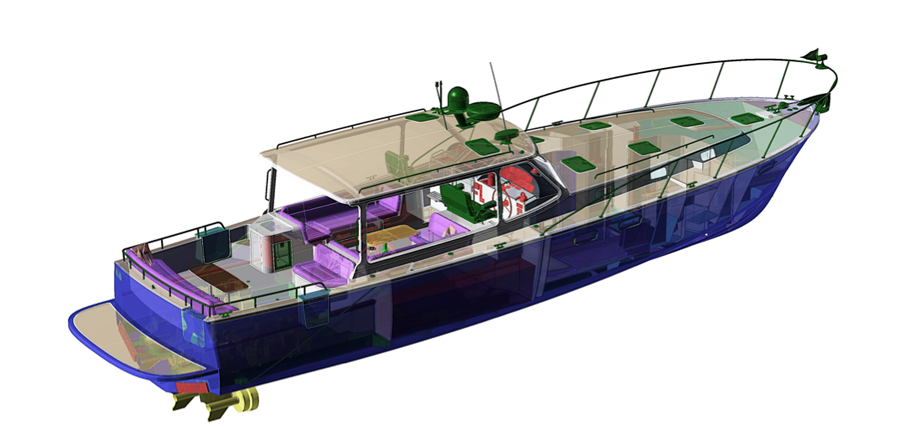
💡 Handyman's Conclusion: "A marine engine will hardly ever wear out, but they will nearly always corrode out". At Handyman by DLV, we prioritize technical excellence in the goods we supply, ensuring every component meets the rigorous standards required for your journey at sea.
#HandymanbyDLV #Marinisation #MaritimeEngineering #SupplyChain #MaritimeKnowledge #ShipMechanics